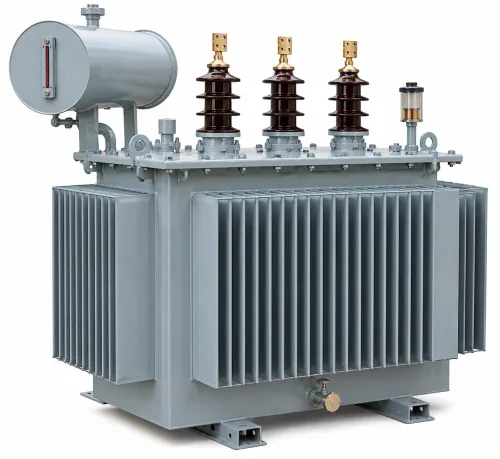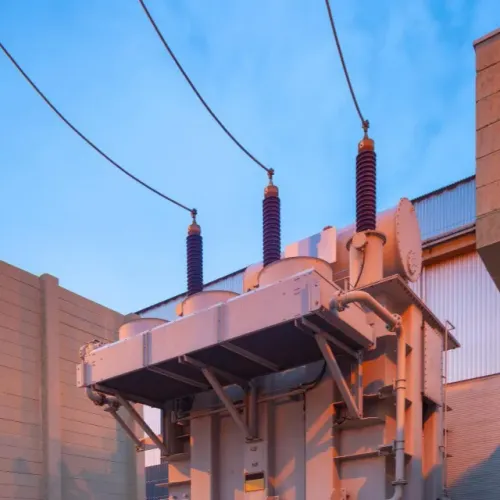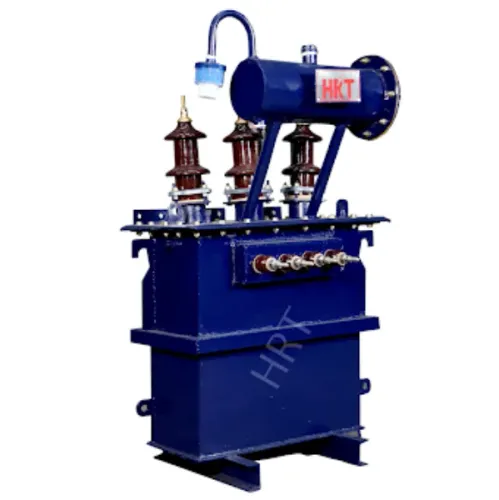
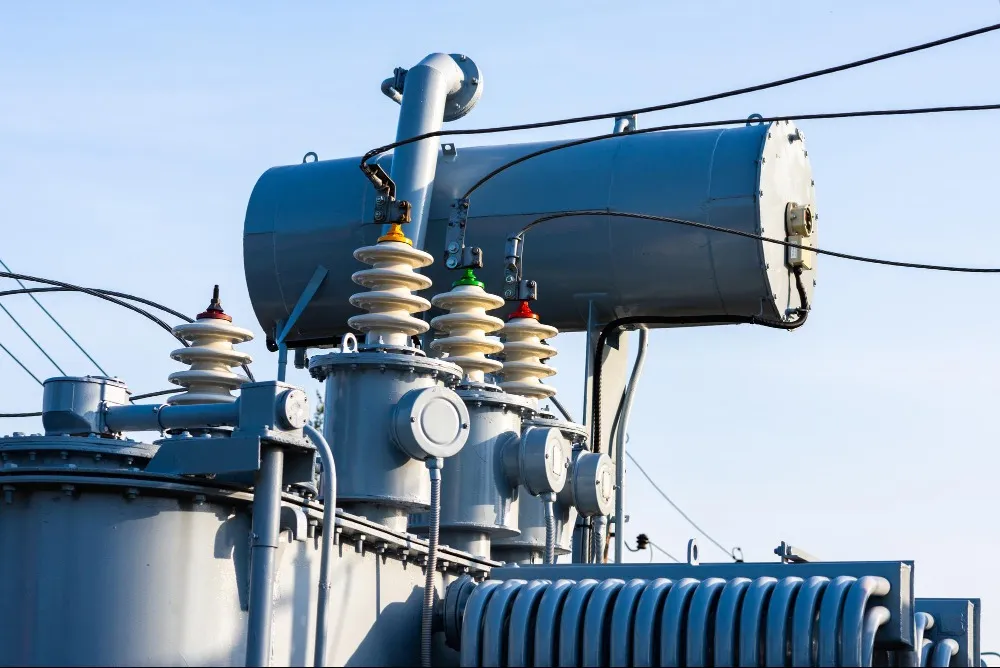
Learn how Shunt Reactors improve voltage stability, reduce overvoltage conditions, and enhance the reliability of modern electrical transmission and distribution systems.
Maintaining Stable Voltage Is Essential
Modern power systems operate across long transmission and distribution networks where voltage fluctuations can affect equipment performance and overall system reliability. Shunt Reactors play an important role in maintaining voltage stability by absorbing excess reactive power generated within electrical networks. Their use helps improve system efficiency while protecting valuable electrical infrastructure.
What Are Shunt Reactors?
Shunt Reactors are electrical devices connected in parallel with transmission or distribution systems to absorb excess reactive power. They help control voltage levels, particularly during periods of light electrical load when voltage tends to rise above desired operating limits.
Where Are Shunt Reactors Commonly Used?
Power Transmission Networks
Long transmission lines often generate excess reactive power, making shunt reactors essential for maintaining stable voltage across the network.
Electrical Substations
Substations use shunt reactors to improve voltage regulation and enhance the overall stability of connected power systems.
Renewable Energy Projects
Wind and solar installations frequently incorporate shunt reactors to support grid stability as power generation varies throughout the day.
Industrial Power Systems
Large industrial facilities benefit from improved voltage control, helping protect sensitive equipment and maintain efficient operations.
Benefits of Installing Shunt Reactors
Improved Voltage Regulation
Maintains voltage within acceptable operating limits across the electrical system.
Enhanced Equipment Protection
Reduces electrical stress on transformers, switchgear, and other critical infrastructure.
Greater System Reliability
Supports stable network performance under changing load conditions.
Improved Operational Efficiency
Helps reduce unnecessary power losses while supporting efficient system operation.
Choosing the Right Shunt Reactor
Selecting the correct reactor requires evaluating system voltage, reactive power requirements, installation environment, operating conditions, and overall network design. Proper engineering ensures the reactor performs efficiently while supporting long-term system reliability.
Partner with an Experienced Manufacturer
The performance of Shunt Reactors depends on sound engineering, quality materials, and rigorous testing. High Rise Transformers manufactures reactor solutions designed to deliver dependable performance, consistent quality, and reliable operation across demanding industrial and utility applications.
Keywords