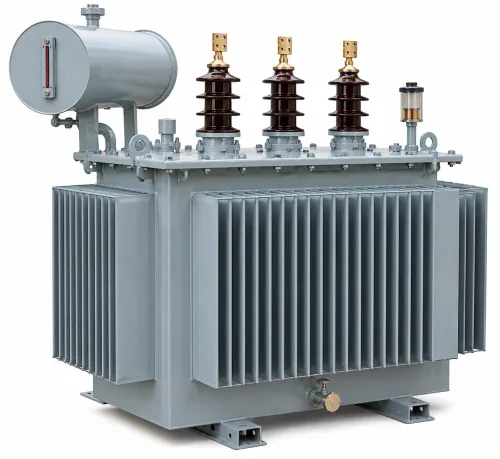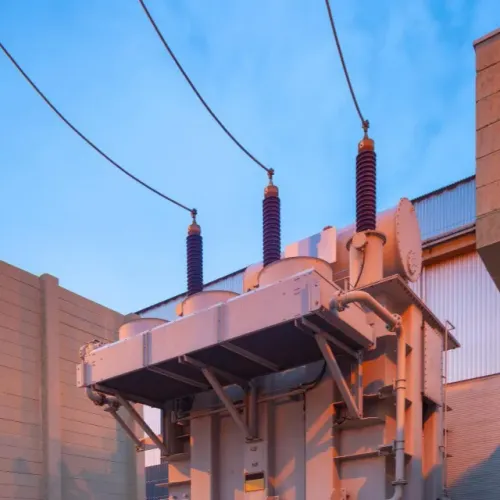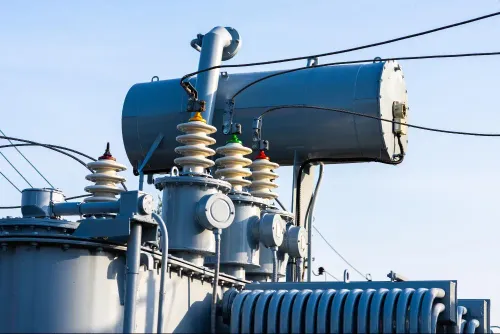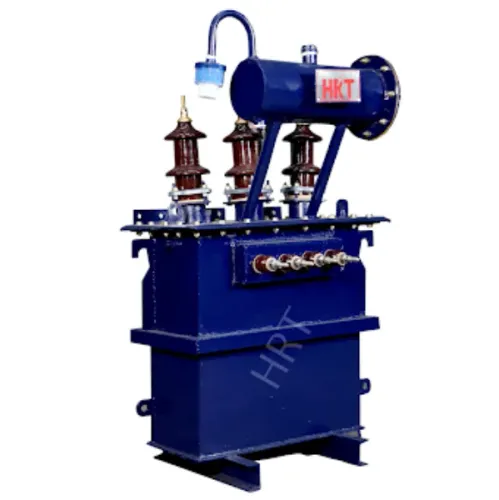
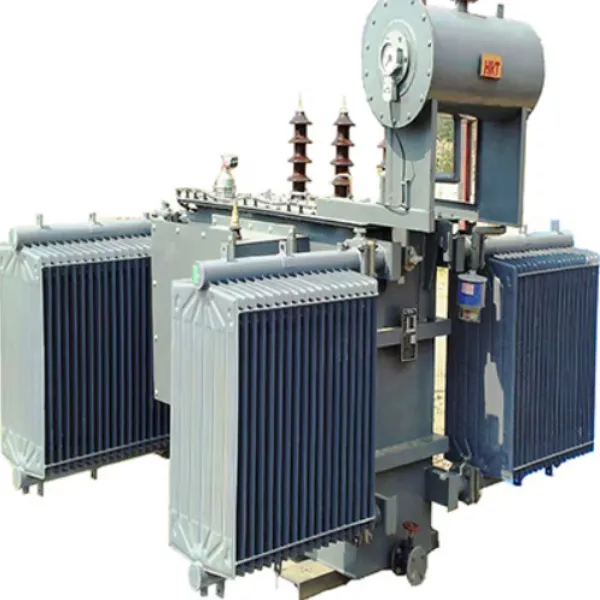
Distribution transformers are responsible for delivering electricity safely from distribution networks to factories, commercial establishments, institutions, and residential developments. Although they are often overlooked, selecting the right distribution transformer has a direct impact on electrical efficiency, operating costs, and equipment reliability.
With industrial development accelerating across Nagpur and other parts of Maharashtra, understanding how these transformers differ and how to choose the appropriate model has become increasingly important.
What Is a Distribution Transformer?
Unlike power transformers, which are mainly used in transmission systems, distribution transformers operate at lower voltage levels and provide electricity directly to end users.
Their design focuses on maintaining high efficiency under varying load conditions, making them suitable for daily industrial and commercial operations.
They are widely used in:
- Industrial parks
- Warehouses
- Hospitals
- Educational campuses
- Commercial complexes
- Residential developments
- Agricultural facilities
Why Selecting the Right Transformer Matters
Every electrical system has unique operational demands. Installing an oversized or undersized transformer can lead to inefficiency and unnecessary costs.
A properly selected transformer offers several advantages.
Lower Energy Losses
Efficient transformer design reduces no-load and load losses, helping businesses optimize electricity consumption.
Improved Voltage Regulation
Stable voltage improves equipment performance while extending machinery lifespan.
Enhanced Safety
Quality insulation and protection systems reduce operational risks.
Lower Maintenance Costs
Well-designed transformers generally require fewer repairs and provide longer service intervals.
Important Factors Before Purchase
Before finalizing a transformer, evaluate your operational requirements carefully.
Load Analysis
Understand both current electricity demand and future expansion plans.
Voltage Compatibility
Confirm compatibility with the local electrical distribution system.
Environmental Conditions
Outdoor installations require additional protection against weather, dust, and moisture.
Efficiency Standards
Energy-efficient transformers may reduce operating costs over many years.
Cooling Method
Choose cooling arrangements based on expected operating conditions.
Typical Installation Locations
Distribution transformers can be found in various sectors.
Examples include:
- Manufacturing industries
- Hospitals
- Retail centres
- Apartment projects
- Government infrastructure
- Logistics facilities
- Educational institutions
Nagpur's expanding industrial landscape has created consistent demand for reliable transformer solutions that support uninterrupted operations.
Common Installation Mistakes
Several avoidable mistakes can affect transformer performance.
These include:
- Ignoring future load growth
- Selecting incorrect voltage ratings
- Poor ventilation
- Inadequate earthing
- Delayed preventive maintenance
- Choosing equipment without technical evaluation
Proper planning during installation can prevent many long-term operational issues.
How Modern Distribution Transformers Improve Performance
Recent advancements have improved transformer reliability considerably.
Manufacturers now focus on:
- Better insulation materials
- Improved core designs
- Reduced energy losses
- Enhanced cooling efficiency
- Longer operational lifespan
- Better monitoring capabilities
These improvements help industries reduce downtime while improving operational stability.
Working with an Experienced Manufacturer
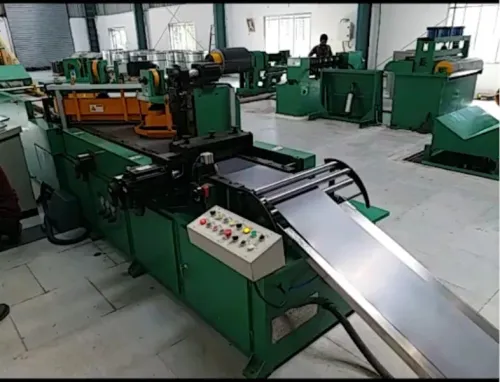
Selecting a transformer involves more than comparing specifications. Engineering expertise, manufacturing quality, testing procedures, and after-sales support all contribute to long-term performance.
High Rise Transformers manufactures distribution transformers for various industrial and commercial applications in Nagpur, offering solutions that align with different power requirements and operational environments. Businesses often benefit from working with manufacturers who understand regional infrastructure, local regulations, and industry-specific electrical demands.
A carefully selected distribution transformer not only supports today's operations but also provides the flexibility needed for future expansion and evolving energy requirements.
Keywords