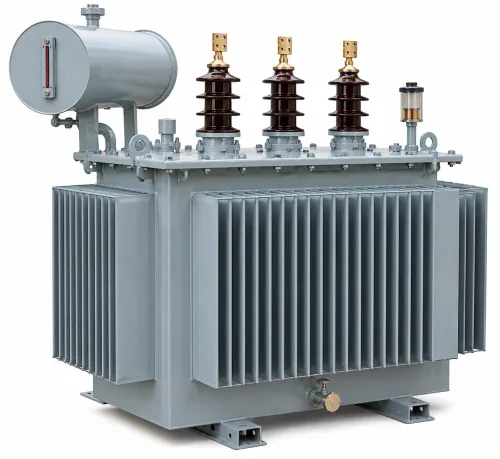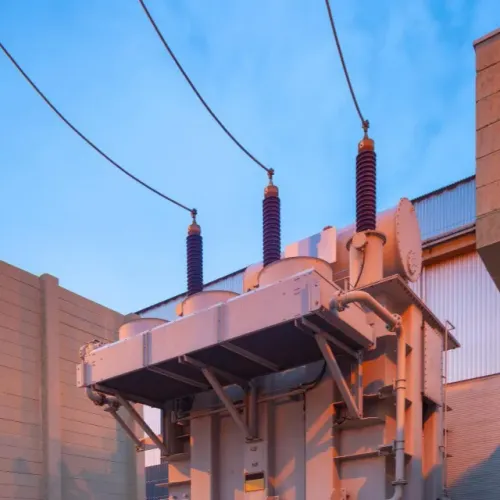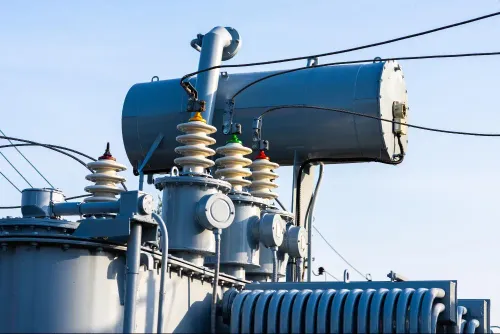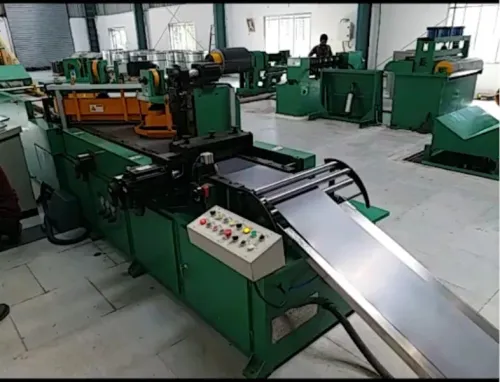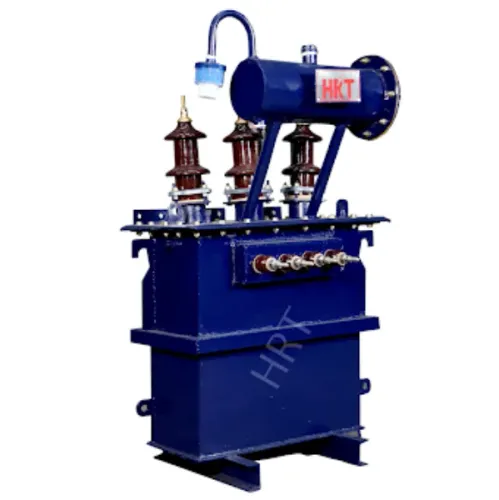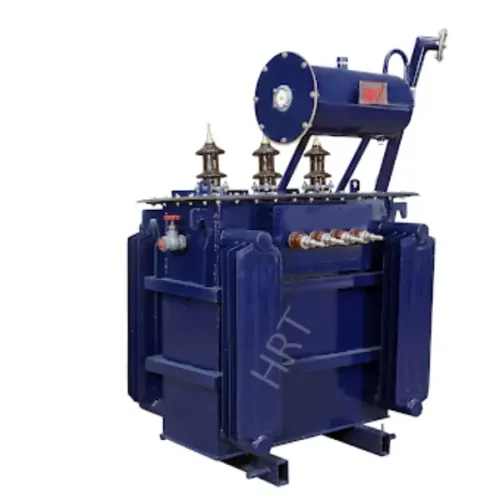
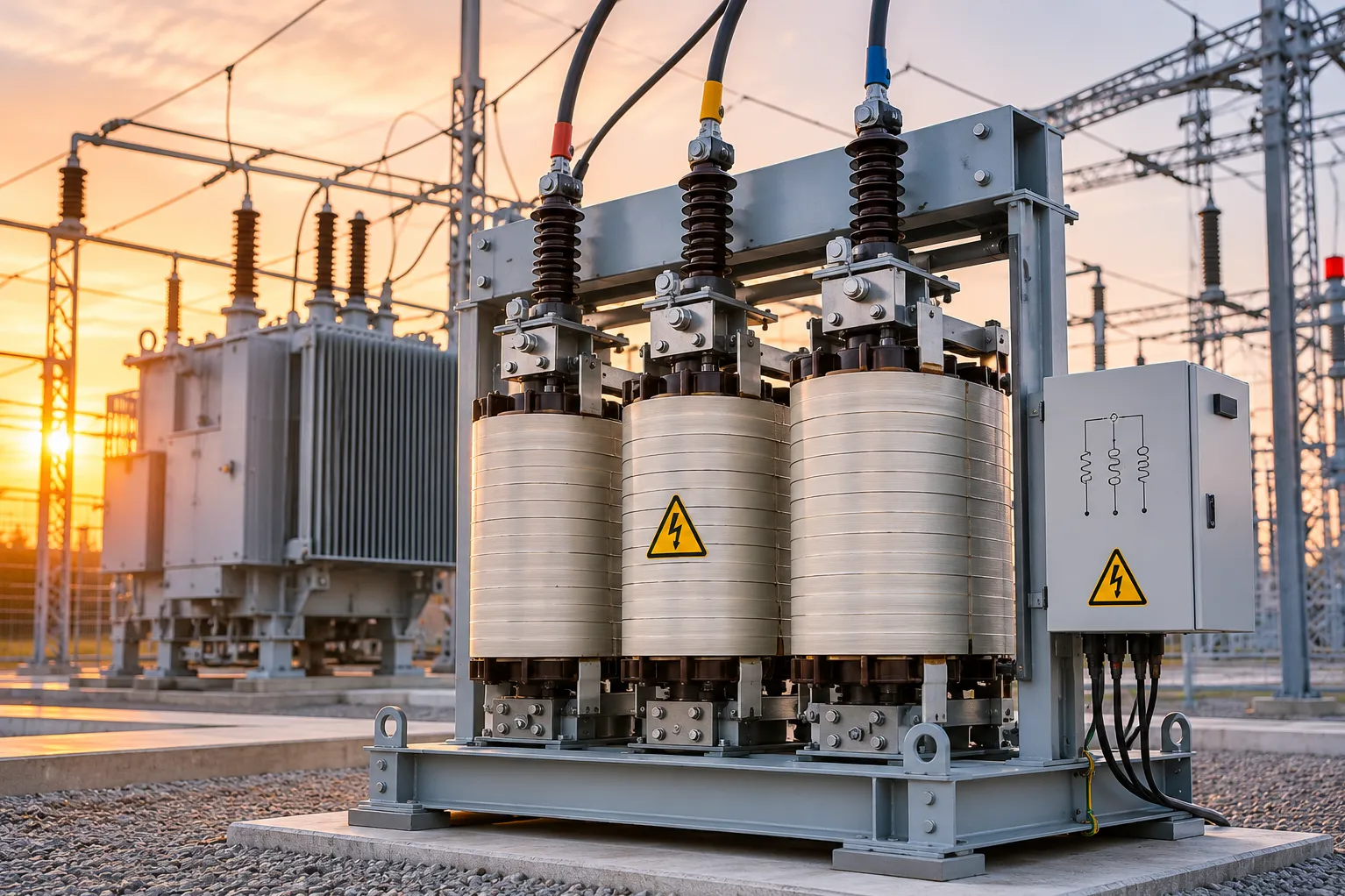
As industries expand and electrical networks become more powerful, fault currents also increase. Excessive fault current can damage transformers, switchgear, circuit breakers, cables, and other expensive equipment. One effective way to manage this risk is by installing a Current Limiting Reactor.
For industries, utilities, and infrastructure projects in Nagpur and throughout Maharashtra, understanding the purpose of current limiting reactors can help improve electrical safety while reducing equipment damage during fault conditions.
What Is a Current Limiting Reactor?
A current limiting reactor is an inductive device connected within an electrical system to restrict excessive fault current during short circuits or abnormal operating conditions.
Instead of allowing dangerously high current to flow through the network, the reactor introduces controlled impedance that limits the fault level without interrupting normal operation.
Why Are Current Limiting Reactors Important?
As electrical systems grow larger, the available short-circuit current often exceeds the rating of existing equipment.
Installing current limiting reactors helps by:
- Protecting transformers
- Reducing stress on circuit breakers
- Preventing cable damage
- Improving system stability
- Extending equipment life
- Lowering maintenance requirements
These advantages make them valuable for both new installations and electrical system upgrades.
Common Applications
Current limiting reactors are widely used in:
- Utility substations
- Industrial power distribution systems
- Manufacturing facilities
- Steel plants
- Power generation projects
- Renewable energy systems
- Large commercial complexes
Facilities with multiple transformers operating in parallel often benefit significantly from reactor installation.
How Do They Work?
During normal operating conditions, the reactor has minimal impact on system performance.
When a fault occurs:
- Fault current begins to rise rapidly.
- The reactor introduces inductive reactance.
- Current is limited to a safer level.
- Protective devices operate more effectively.
- Equipment damage is minimized.
This controlled response improves both safety and equipment protection.
Factors to Consider Before Selection
Selecting a current limiting reactor requires technical evaluation.
Important considerations include:
- System voltage
- Maximum fault current
- Continuous load current
- Network configuration
- Protection coordination
- Installation environment
- Future system expansion
Accurate engineering calculations ensure the reactor provides the desired level of protection.
Maintenance Requirements
Although current limiting reactors generally require minimal maintenance, periodic inspections remain essential.
Recommended checks include:
- Visual inspections
- Temperature monitoring
- Connection tightening
- Insulation testing
- Cleaning accumulated dust
- Mechanical inspection
Preventive maintenance supports long-term reliability.
Choosing the Right Manufacturing Partner
Every electrical system has unique requirements. Working with a manufacturer capable of providing application-specific engineering can improve overall system performance and reliability.
High Rise Transformers manufactures current limiting reactors for industrial customers in Nagpur, supporting projects that require dependable electrical protection and efficient power system design. Investing in the right reactor helps safeguard valuable electrical assets while improving the resilience of modern industrial networks.
Keywords