Choosing between a Dry Type Transformer and an oil-filled transformer is one of the most common questions asked during electrical infrastructure planning. While both perform the same basic function of voltage transformation, their construction, maintenance requirements, and installation environments differ significantly.
For industries, commercial buildings, hospitals, educational institutions, and infrastructure projects across Nagpur, selecting the right transformer type depends on operational requirements rather than simply choosing the most common option.
What Is a Dry Type Transformer?
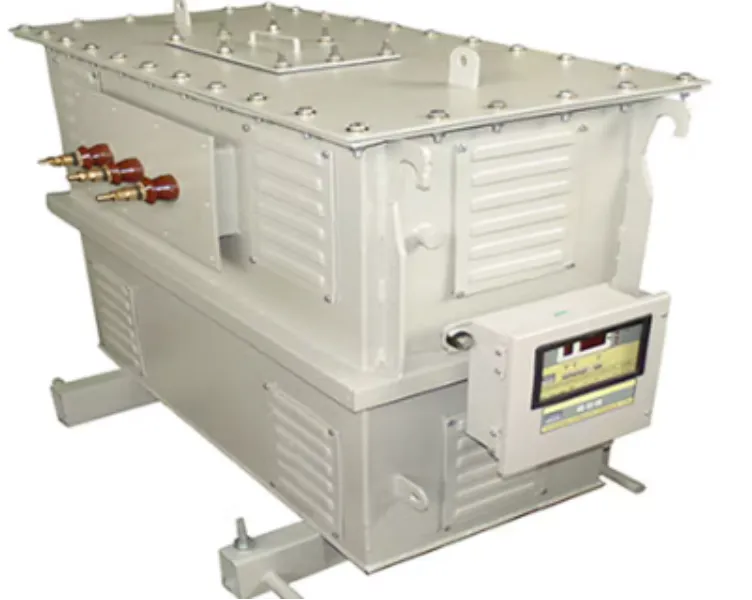
A dry type transformer uses air instead of insulating oil for cooling and insulation. The windings are encapsulated using resin or protected with special insulating materials, making them suitable for indoor environments.
Since there is no transformer oil involved, these units are often preferred where fire safety and environmental protection are priorities.
Where Are Dry Type Transformers Commonly Used?
Typical applications include:
- Hospitals
- Commercial complexes
- Shopping malls
- Educational institutions
- IT parks
- High-rise buildings
- Indoor manufacturing facilities
- Data centres
Their compact design and enhanced safety features make them ideal for enclosed installations.
Advantages of Dry Type Transformers
Improved Fire Safety
Without insulating oil, the risk of oil leakage and fire is significantly reduced.
Environmentally Friendly
Dry type transformers eliminate concerns related to oil contamination and disposal.
Lower Routine Maintenance
There is no transformer oil to test, filter, or replace, simplifying maintenance schedules.
Suitable for Indoor Installations
These transformers perform well in locations where ventilation and safety standards are carefully managed.
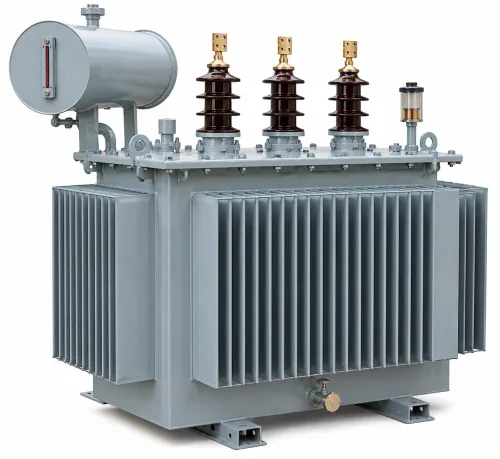
When Are Oil-Filled Transformers More Suitable?
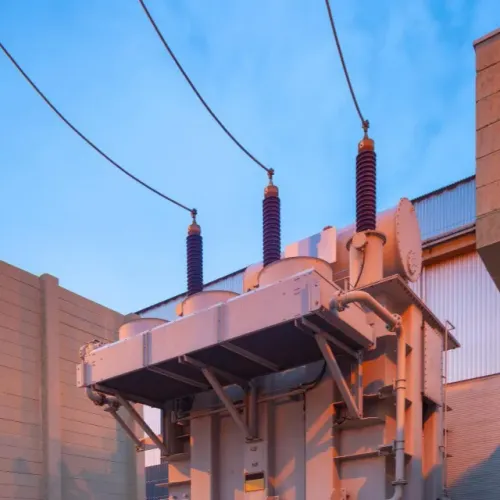
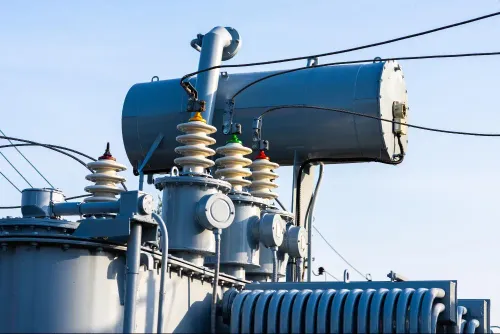
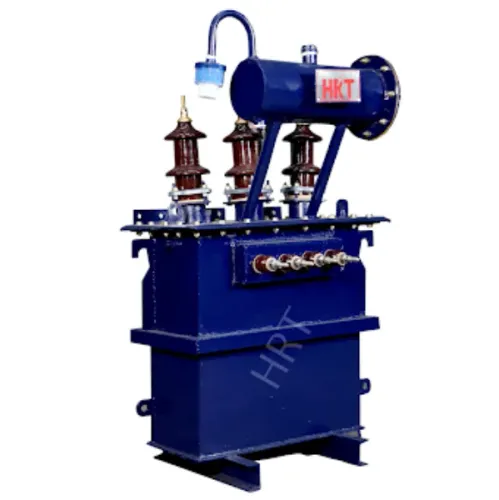
Oil-filled transformers continue to dominate many industrial applications because they efficiently handle higher capacities and heavy electrical loads.
They are commonly used in:
- Manufacturing plants
- Utility substations
- Mining operations
- Large industrial facilities
- Power generation projects
Their cooling efficiency makes them well suited for continuous heavy-duty operation.
Comparing Both Options
Dry Type Transformers
Advantages
- Better fire safety
- Cleaner operation
- Lower environmental risk
- Suitable indoors
Considerations
- Higher initial investment
- Limited capacity compared to some oil-filled models
- Requires adequate ventilation
Oil-Filled Transformers
Advantages
- Excellent cooling performance
- Suitable for higher power ratings
- Lower purchase cost in many cases
- Proven industrial reliability
Considerations
- Oil maintenance required
- Fire protection measures necessary
- Environmental precautions needed
Which One Should You Choose?
The answer depends on your application.
Choose a dry type transformer if:
- Installation is indoors.
- Fire safety is critical.
- Environmental regulations are strict.
- Maintenance access is limited.
Choose an oil-filled transformer if:
- Higher capacities are required.
- Continuous heavy industrial loads are expected.
- Outdoor installation is planned.
- Cooling efficiency is a priority.
Importance of Proper Engineering
Rather than selecting a transformer based solely on price, businesses should evaluate operating conditions, electrical demand, safety requirements, and future expansion.
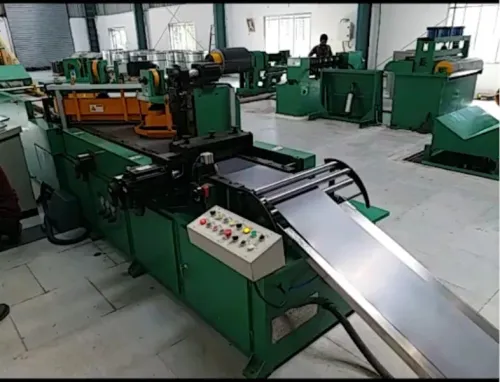
High Rise Transformers manufactures dry type transformers and other specialized transformer solutions for industries across Nagpur and Maharashtra, helping customers identify equipment that matches their specific operational needs.
The right transformer choice is ultimately one that delivers safe, efficient, and reliable performance while supporting long-term operational goals.
Keywords