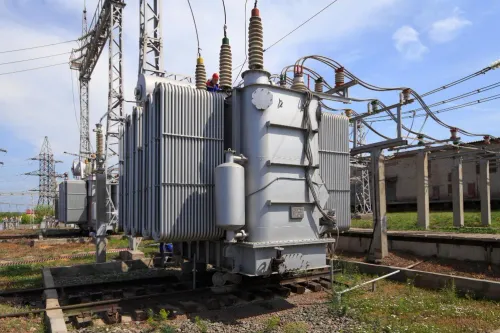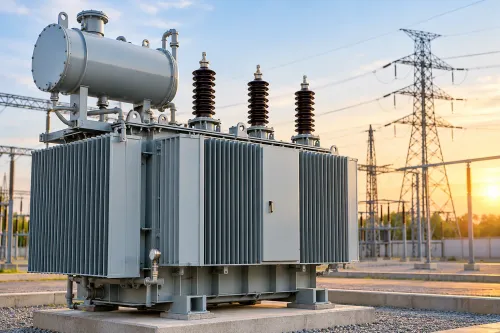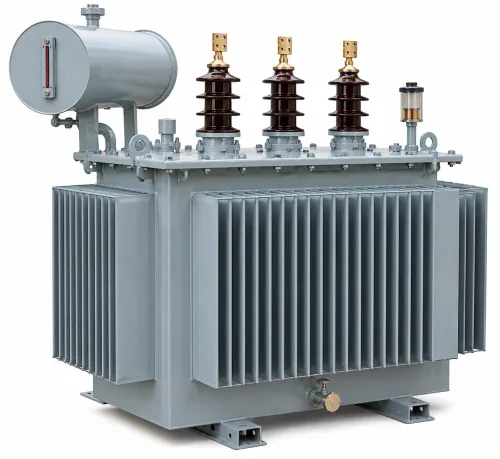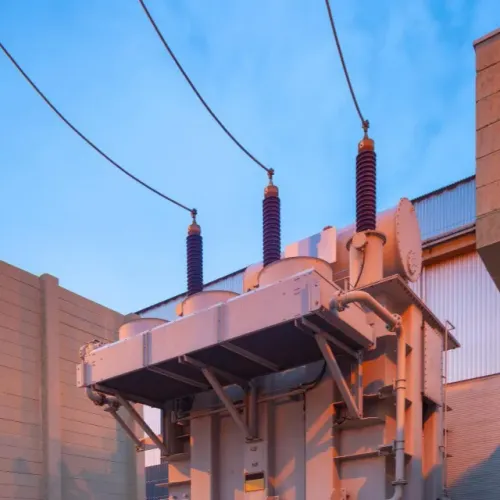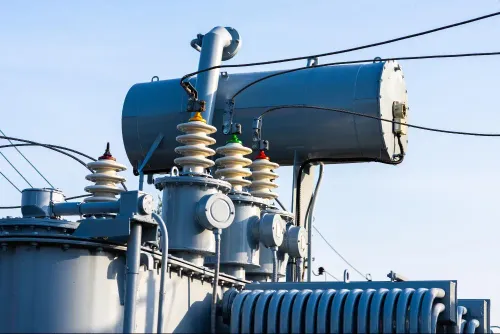
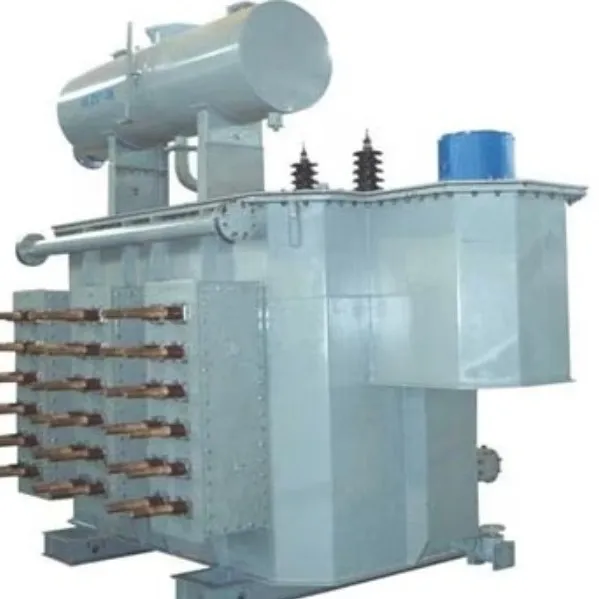
Heavy industrial processes require electrical equipment capable of handling extreme operating conditions. Among the most specialized transformer categories is the Furnace Transformer, specifically designed to supply high-current power to electric furnaces used in metal processing and manufacturing.
Industries across Nagpur and Maharashtra involved in steel production, foundries, and metal fabrication rely on furnace transformers to achieve consistent heating, improved process control, and dependable production performance.
What Is a Furnace Transformer?
A furnace transformer is engineered to provide the high current and controlled voltage required for electric furnaces. Unlike conventional transformers, these units are built to withstand repeated electrical stress, fluctuating loads, and demanding thermal conditions.
Their design supports continuous industrial production where precision and reliability are essential.
Industries That Commonly Use Furnace Transformers
Furnace transformers are widely installed in:
- Steel manufacturing plants
- Metal foundries
- Alloy production facilities
- Copper processing units
- Aluminium industries
- Rolling mills
- Heavy engineering plants
Each application requires transformers designed according to furnace type and production capacity.
Why Standard Transformers Cannot Replace Furnace Transformers
Conventional transformers are designed for stable electrical loads.
Electric furnaces create:
- Frequent load fluctuations
- High current demand
- Rapid temperature changes
- Short-duration overload conditions
Furnace transformers are specifically engineered to withstand these operating characteristics without compromising performance.
Key Advantages
High Current Capability
Designed to supply substantial electrical current safely during furnace operation.
Durable Construction
Built with robust insulation systems and heavy-duty mechanical structures to withstand harsh industrial environments.
Better Process Control
Stable electrical performance improves heating consistency and production quality.
Long Operational Life
Quality manufacturing and proper maintenance contribute to extended service life.
Factors to Consider Before Selection
Every furnace application differs.
Important considerations include:
- Furnace type
- Required voltage range
- Current demand
- Cooling method
- Duty cycle
- Future production expansion
- Compliance with industry standards
Proper engineering calculations help optimize transformer performance.
Maintenance Best Practices
Routine maintenance improves reliability and reduces unexpected downtime.
Recommended activities include:
- Thermal inspections
- Oil testing where applicable
- Connection tightening
- Cooling system maintenance
- Insulation testing
- Protective relay verification
Preventive maintenance minimizes costly production interruptions.
Why Custom Engineering Matters
Furnace transformers are rarely standard products. Most industrial facilities require equipment tailored to their production process, electrical specifications, and operational environment.
High Rise Transformers manufactures furnace transformers designed for demanding industrial applications in Nagpur, supporting customers with engineering expertise and quality-focused manufacturing practices.
Investing in a properly designed furnace transformer helps industries improve operational efficiency, maintain production consistency, and reduce long-term maintenance challenges.
Keywords