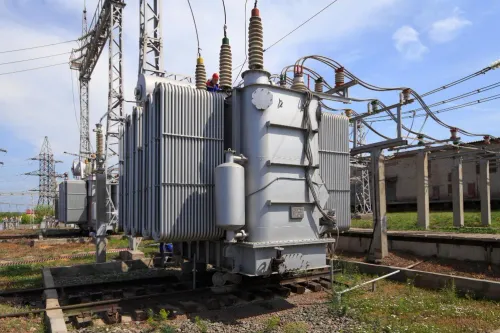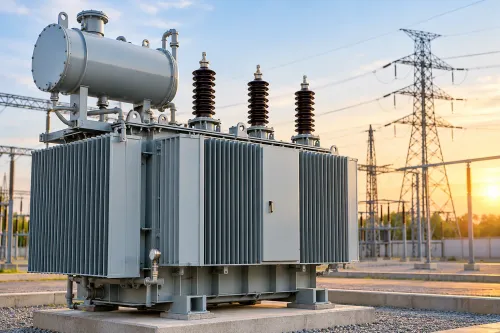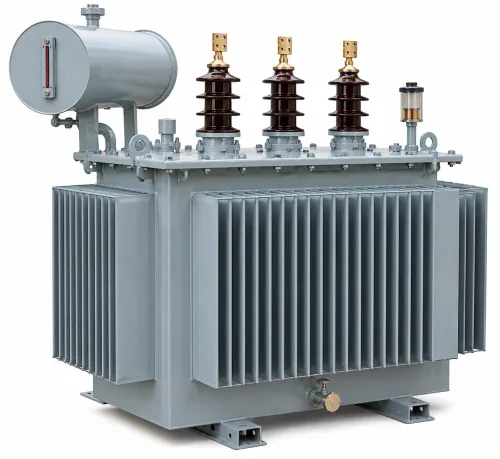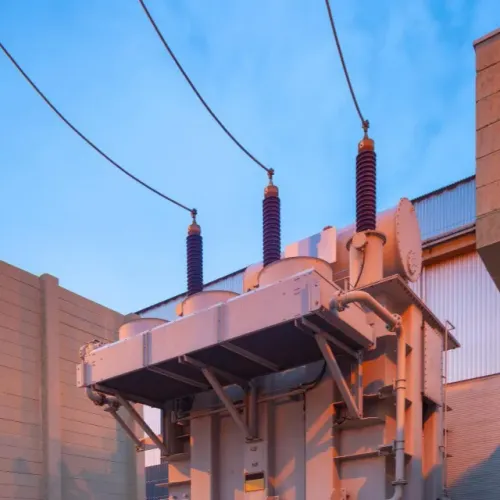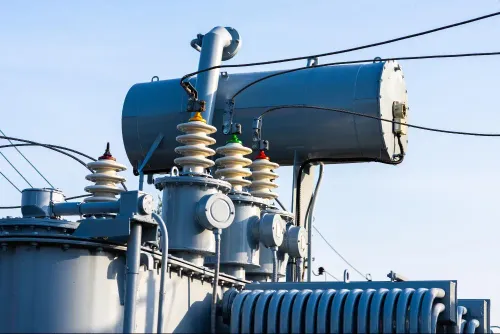
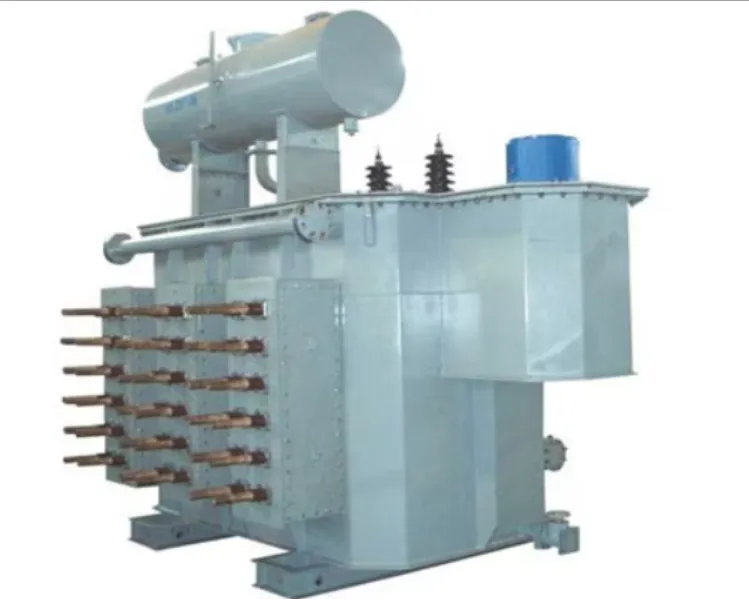
An Induction Furnace Transformer plays a critical role in modern metal melting operations. Unlike standard industrial transformers, it is specifically engineered to handle the unique electrical demands of induction furnaces, ensuring efficient power transfer and reliable production.
As manufacturing and metal processing industries continue to expand in Nagpur and across Maharashtra, induction furnace transformers remain essential for foundries, steel plants, and engineering companies seeking high-performance electrical infrastructure.
What Is an Induction Furnace Transformer?
An induction furnace transformer supplies controlled electrical power to induction furnaces used for melting metals such as steel, iron, copper, aluminium, and alloys.
These transformers are designed to manage:
- High current loads
- Rapid load variations
- Continuous production cycles
- Frequent switching operations
Their construction differs significantly from conventional distribution transformers.
Common Applications
Industries using induction furnace transformers include:
- Steel plants
- Foundries
- Casting units
- Metal recycling facilities
- Alloy manufacturers
- Automotive component manufacturers
- Heavy engineering industries
Reliable transformer performance directly influences melting efficiency and production output.
Features That Set Them Apart
Heavy-Duty Design
The transformer is built to withstand repeated thermal and electrical stress generated during furnace operation.
Stable Power Supply
Consistent voltage and current improve melting performance while reducing production interruptions.
Efficient Cooling Systems
Specialized cooling arrangements help maintain safe operating temperatures during prolonged operation.
Custom Engineering
Most induction furnace transformers are designed according to specific furnace capacities and production requirements.
Choosing the Right Transformer
Before purchasing, businesses should evaluate:
- Furnace capacity
- Production schedule
- Electrical load profile
- Voltage requirements
- Cooling preferences
- Space availability
- Future expansion plans
Working with experienced manufacturers ensures accurate sizing and dependable long-term performance.
Installation Considerations
Successful installation involves more than electrical connection.
Key considerations include:
- Adequate ventilation
- Proper earthing
- Safe equipment clearances
- Reliable protection systems
- Routine inspection access
Attention to these factors improves operational safety and simplifies maintenance.
Long-Term Maintenance
To maximize service life:
- Monitor operating temperatures.
- Perform insulation testing.
- Maintain cooling systems.
- Inspect electrical connections.
- Verify protection devices.
- Conduct scheduled preventive maintenance.
These practices help reduce unexpected shutdowns and improve operational reliability.
Selecting an Experienced Manufacturer
Because induction furnace transformers operate under demanding conditions, manufacturing quality plays a major role in performance and lifespan.
High Rise Transformers designs and manufactures induction furnace transformers for industrial customers in Nagpur, delivering application-specific solutions backed by engineering expertise and rigorous quality standards.
A well-designed induction furnace transformer is more than just an electrical component—it becomes an essential part of an efficient, reliable, and productive metal manufacturing operation.
Keywords