Power transformers are one of the most important components in any electrical power system. Whether electricity is being transmitted across long distances or distributed to industrial facilities, these transformers help ensure that power reaches its destination safely and efficiently. For industries in Nagpur and across Maharashtra, selecting the right transformer can directly influence operational reliability, energy efficiency, and long-term maintenance costs.
Understanding how power transformers work and where they are used can help businesses make informed investment decisions.
What Is a Power Transformer?
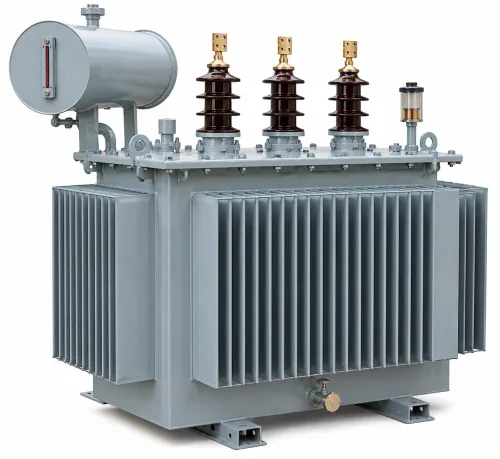
A power transformer is an electrical device designed to transfer electrical energy between circuits through electromagnetic induction. Its primary role is to increase or decrease voltage levels while maintaining the same frequency.
High-voltage electricity generated at power stations cannot be supplied directly to industrial equipment or commercial buildings. Power transformers adjust voltage levels to suit transmission networks and industrial applications.
These transformers are commonly installed in:
- Manufacturing plants
- Steel and metal industries
- Chemical processing units
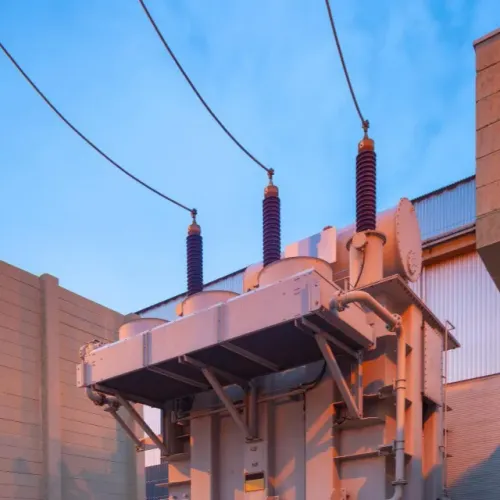
- Utility substations
- Infrastructure projects
- Renewable energy installations
Why Are Power Transformers So Important?
Reliable power distribution is essential for every industrial operation. A well-designed transformer offers several benefits beyond simple voltage conversion.
Improved Energy Efficiency
Modern transformers minimize energy losses during voltage conversion, helping industries reduce electricity wastage over time.
Better Equipment Protection
Stable voltage protects expensive electrical equipment from fluctuations, reducing the likelihood of breakdowns.
Reliable Continuous Operation
Industrial facilities often operate around the clock. High-quality transformers help maintain uninterrupted production by ensuring consistent power delivery.
Long Service Life
When designed using quality materials and maintained correctly, power transformers can deliver dependable performance for decades.
Key Components of a Power Transformer
Understanding the main components helps buyers evaluate overall quality.
Core
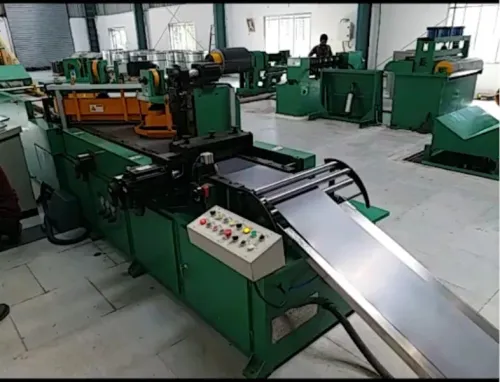
Constructed using laminated steel to reduce energy losses.
Windings
Copper or aluminium windings transfer electrical energy between circuits.
Insulation System
Proper insulation prevents electrical failures while improving operational safety.
Cooling Arrangement
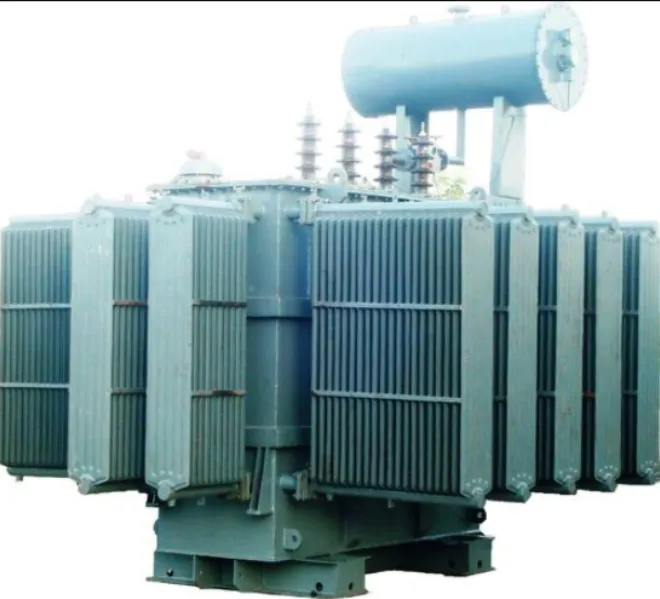
Cooling systems help maintain safe operating temperatures during continuous use.
Protective Accessories
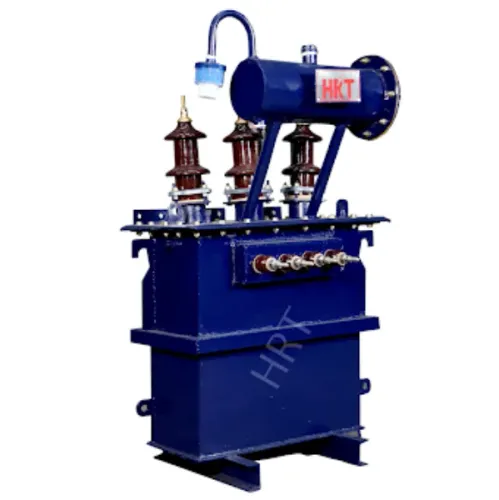
Modern transformers may include temperature indicators, pressure relief devices, oil level indicators, and monitoring instruments.
Common Industrial Applications
Power transformers serve nearly every major industrial sector.
Some of the most common applications include:
- Power generation facilities
- Heavy engineering industries
- Mining operations
- Cement manufacturing
- Food processing plants
- Textile industries
- Pharmaceutical manufacturing
- Infrastructure developments
Industrial expansion around Nagpur has increased the demand for dependable transformer solutions capable of handling varying load conditions.
Factors to Consider Before Choosing a Power Transformer
Every application has different power requirements. Selecting a transformer based solely on price may lead to long-term operational issues.
Consider the following:
- Required voltage ratings
- Load capacity
- Installation environment
- Indoor or outdoor usage
- Cooling method
- Expected future expansion
- Compliance with applicable standards
- Maintenance accessibility
Discussing operational requirements with experienced manufacturers often results in a more suitable solution than choosing a standard specification alone.
Maintenance Matters
Even the best transformer requires periodic inspection.
Recommended maintenance practices include:
- Checking insulation resistance
- Monitoring oil quality
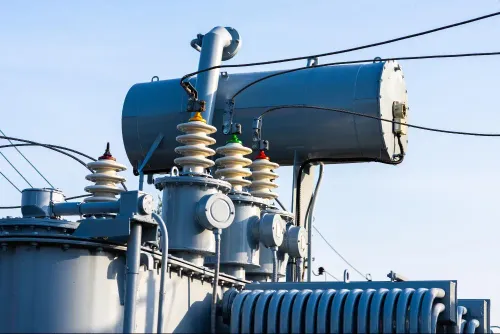
- Inspecting bushings
- Cleaning cooling systems
- Tightening electrical connections
- Performing thermal inspections
Preventive maintenance significantly reduces unexpected downtime.
Why Local Manufacturing Can Be an Advantage
Businesses in Maharashtra often benefit from sourcing transformers from regional manufacturers because it simplifies communication, shortens delivery timelines, and improves after-sales support.
High Rise Transformers, based in Nagpur, manufactures power transformers designed for industrial applications with attention to quality, engineering standards, and application-specific requirements. Working with a local manufacturer also makes inspections, servicing, and future upgrades more convenient.
As industries continue to modernize, investing in the right power transformer is not just about meeting today's electrical demand. It is about building a reliable power infrastructure capable of supporting future growth, improved efficiency, and uninterrupted operations.
Keywords