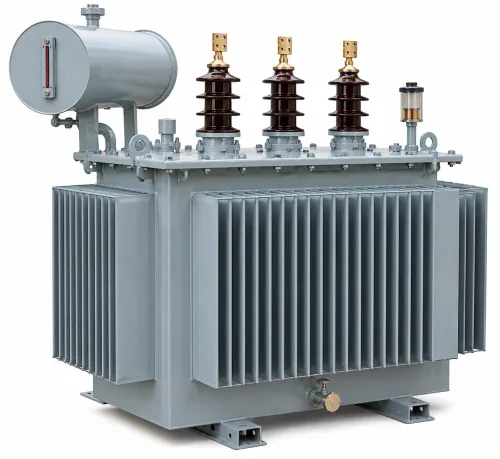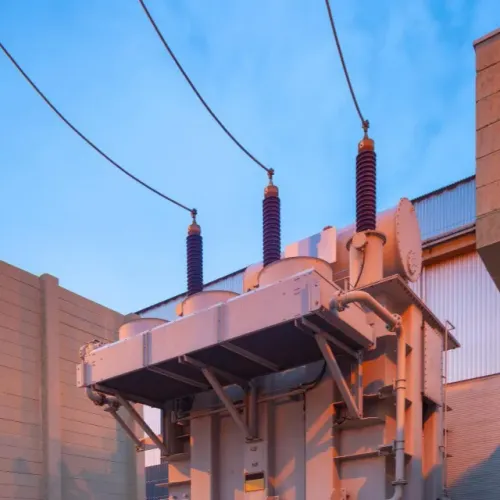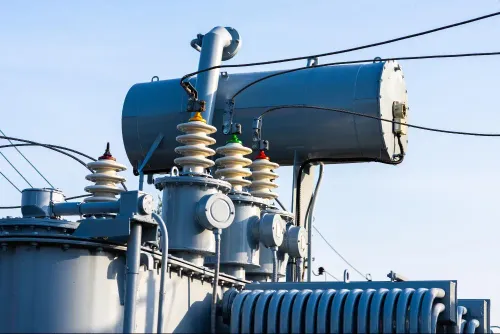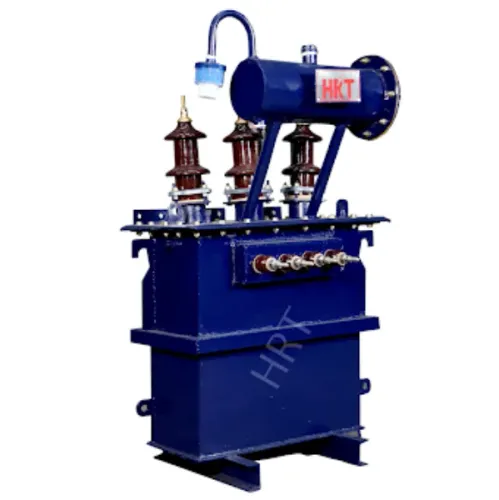
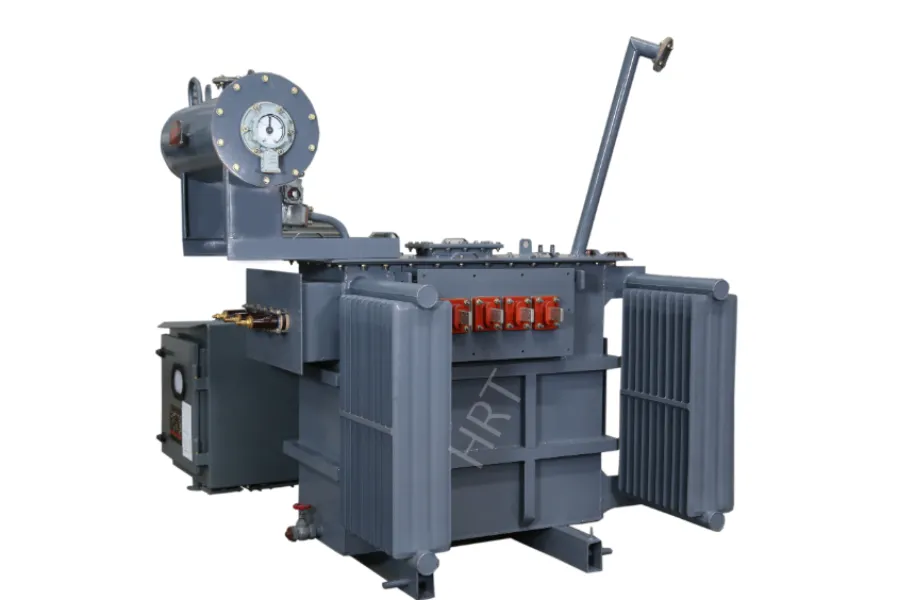
As industrial operations expand, electrical demand grows alongside production capacity. One transformer rating frequently chosen for medium and large industrial facilities is the 630 KVA Distribution Transformer. It offers an ideal balance between power capacity, efficiency, and reliability, making it suitable for a wide range of applications.
Across Nagpur and Maharashtra, growing manufacturing clusters, engineering units, commercial developments, and infrastructure projects continue to rely on 630 KVA transformers to support uninterrupted power distribution.
Understanding a 630 KVA Distribution Transformer
A 630 KVA distribution transformer is designed to convert high-voltage electricity into usable voltage levels for industrial or commercial operations. Its capacity makes it suitable for facilities with significant electrical loads while maintaining efficient performance throughout daily operations.
These transformers are commonly installed where power requirements exceed the capabilities of smaller units but do not yet require multiple high-capacity transformers.
Where Is It Commonly Used?
Industries that frequently install 630 KVA transformers include:
- Engineering industries
- Steel fabrication plants
- Pharmaceutical manufacturing
- Food processing facilities
- Textile industries
- Commercial complexes
- Industrial warehouses
- Educational institutions
- Hospitals
The versatility of this rating makes it one of the most widely specified options for expanding industrial operations.
Benefits of Choosing a 630 KVA Transformer
Supports Higher Electrical Loads
This transformer can comfortably manage the power demands of medium to large industrial facilities without frequent overloading.
Better Operational Efficiency
Properly designed transformers reduce energy losses and help improve overall electrical system performance.
Reliable Power Supply
Consistent voltage output helps protect machinery from unnecessary stress caused by fluctuations.
Room for Business Expansion
Businesses expecting future growth often prefer installing a transformer that accommodates increasing power requirements without immediate upgrades.
Factors to Evaluate Before Installation
Every industrial project has unique electrical requirements. Before selecting a 630 KVA transformer, consider:
- Maximum connected load
- Future production expansion
- Available installation space
- Cooling requirements
- Environmental conditions
- Local electrical regulations
- Maintenance accessibility
Working with experienced engineers ensures that transformer sizing matches operational needs rather than relying solely on estimated power demand.
Installation Best Practices
Proper installation contributes significantly to long-term performance.
Important recommendations include:
- Ensure adequate ventilation.
- Follow earthing standards.
- Maintain safe clearances.
- Conduct insulation testing before commissioning.
- Verify protection systems.
- Schedule periodic inspections.
Ignoring installation standards may reduce efficiency and increase maintenance requirements over time.
Maintenance for Long-Term Reliability
Routine servicing helps maximize transformer life.
Maintenance activities generally include:
- Oil testing
- Temperature monitoring
- Cleaning cooling components
- Tightening electrical terminals
- Inspecting insulation
- Checking protective devices
Preventive maintenance minimizes unexpected downtime and extends equipment lifespan.
Choosing a Trusted Manufacturing Partner
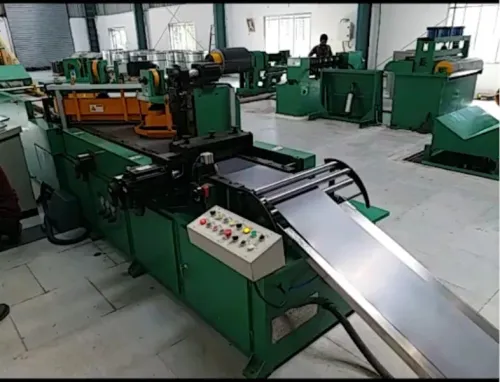
Transformer quality depends on engineering expertise, manufacturing processes, testing standards, and material selection. Businesses in Nagpur often prefer working with local manufacturers because technical discussions, factory inspections, and after-sales service are easier to coordinate.
High Rise Transformers manufactures 630 KVA distribution transformers tailored to industrial applications, helping businesses source dependable equipment backed by technical knowledge and quality-focused production practices.
Selecting the right transformer is not simply about capacity. It is about ensuring reliable power, efficient operations, and the flexibility to support business growth for years to come.
Keywords